
Article guide
Buying Guide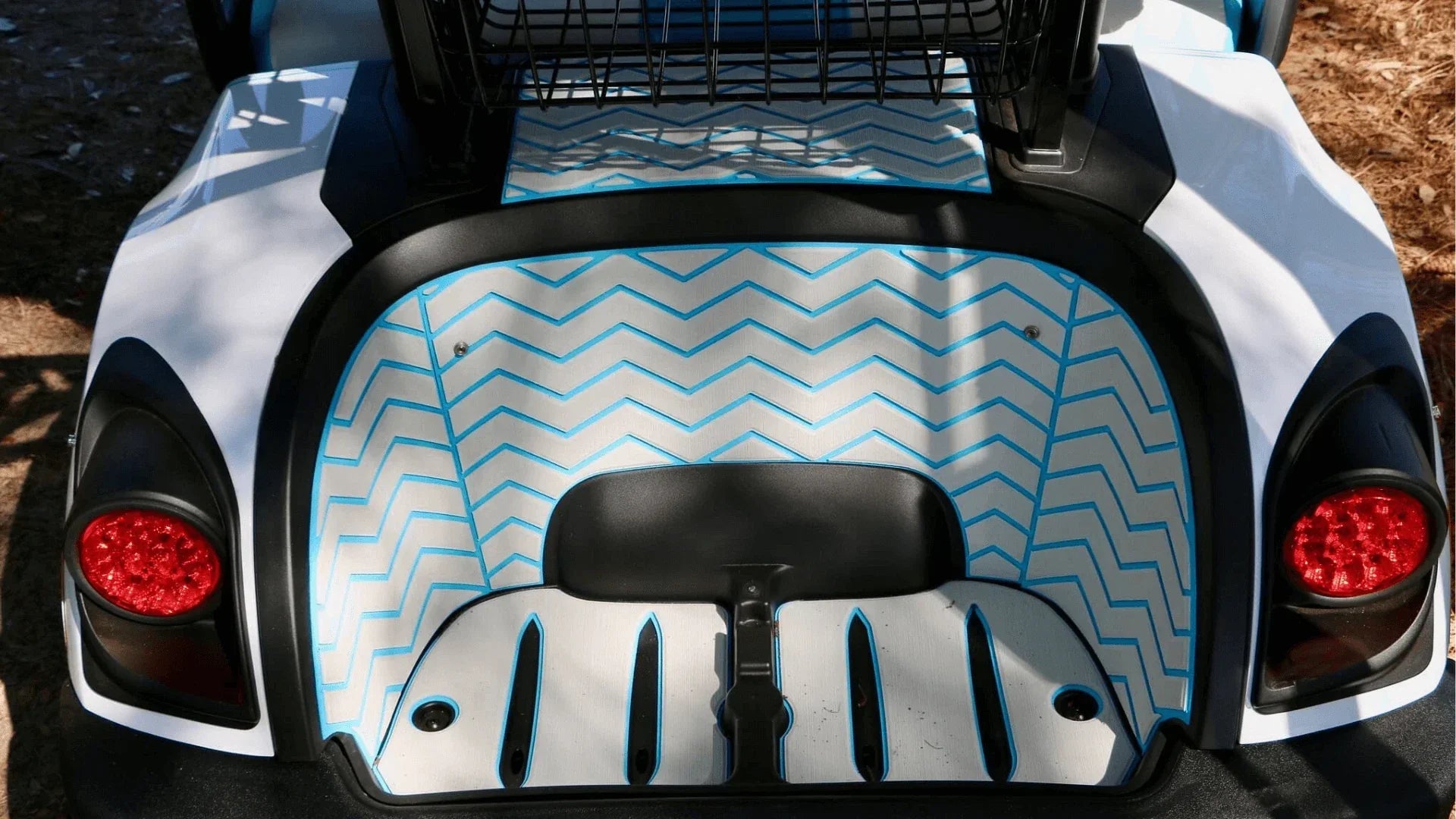
Article guide
Buying GuideUpdated August 2026
The best boat flooring depends on the deck condition, boat type and how the boat is used. EVA foam is a strong all-around choice for many DIY upgrades because it combines cushioning, textured traction, marine styling and cut-to-fit installation. Marine vinyl works well for broad floor coverage, carpet remains a familiar budget option, and synthetic teak suits premium appearance-focused projects.
This guide compares the main boat flooring materials by comfort, wet-deck performance, cleaning, installation, cost and best use. It also explains when a surface covering is appropriate—and when the underlying boat floor must be repaired first.
The table below uses relative cost levels rather than fixed prices because total project cost changes with deck area, material quality, adhesive, custom cutting, shipping and labor.
| Flooring material | Best for | Comfort | Wet-deck traction | Cleaning | DIY difficulty | Relative cost | Main limitation |
|---|---|---|---|---|---|---|---|
| EVA foam boat flooring | DIY deck upgrades, fishing boats, pontoons, cockpits, helm areas and swim platforms | High | Good when textured and kept clean | Usually straightforward with mild soap and water | Low to moderate | $$–$$$ | Bonding depends on accurate preparation, pressure and edge care |
| Marine vinyl | Large, relatively flat decks and wall-to-wall pontoon flooring | Low to moderate | Varies by texture | Easy to wipe or rinse | Moderate | $–$$ | Less cushioning; large sheets can be difficult to fit cleanly |
| Marine carpet | Traditional pontoon and bass-boat interiors where a fabric surface is preferred | Moderate | Moderate when clean | Requires thorough rinsing and drying | Moderate | $ | Can retain moisture, stains and odors if not dried properly |
| Rubber mats or rubber flooring | Utility areas, removable work zones and heavy-use surfaces | Moderate | Good with the right texture | Easy to rinse | Low for removable mats | $–$$ | Weight, heat and trapped water underneath can be concerns |
| Synthetic teak or PVC decking | Yachts, cruisers and appearance-led premium projects | Moderate | Good when properly textured | Generally manageable | Moderate to high | $$$–$$$$ | Higher material and fitting cost |
| Real teak | Classic premium vessels and restoration projects | Moderate | Good when maintained | Requires specialized care | High | $$$$ | Cost, weight, installation skill and ongoing maintenance |
Fast recommendation: Start with EVA foam when comfort, targeted deck coverage and DIY installation matter most. Start with marine vinyl when you need a broad, firm floor covering. Choose carpet only when you accept the drying and cleaning requirements. Compare synthetic or real teak when premium appearance is more important than budget or installation simplicity.
If EVA is already your leading option but you are weighing cleaning, heat, stains, installation effort and future removal, use the EVA foam boat flooring worth-it guide before purchasing.
“Boat flooring” can refer to two very different parts of a project:
A new surface covering cannot repair rotten plywood, delamination, loose fiberglass, corrosion, soft spots or unstable deck panels. If the deck flexes unexpectedly, feels spongy, has persistent moisture damage or shows structural deterioration, investigate and repair the underlying problem before installing any new flooring.
This distinction matters for both safety and cost. A cosmetic deck refresh can often be handled with sheets, mats or a fitted surface. A structural replacement may require removal of seats, hardware, wiring, old plywood, fiberglass skins or flotation material and should be planned as a repair project rather than a flooring purchase.
Before choosing the replacement material, identify what is already bonded to the deck and how it must be removed. Carpet, vinyl, EVA foam, coatings and mixed adhesive residue can require different tools and cleanup methods. Remove the old covering conservatively, clean the residue without damaging the substrate, then inspect the exposed plywood, fiberglass or aluminum before measuring the new flooring. Use the boat flooring removal and adhesive-residue guide for step-by-step removal, substrate precautions and readiness checks.
EVA foam is a closed-cell foam surface used for boat decks, cockpit areas, pontoons, casting decks, helm pads, swim platforms, personal watercraft and other marine zones. It is available as universal cut-to-fit sheets, smaller pads and custom-cut multi-piece layouts.
EVA foam should not be used to hide structural damage, loose paint, heavy oxidation, wet wood, unstable coatings or severe surface texture. Large one-piece installations can also be difficult for a first-time DIY installer because adhesive-backed material becomes hard to reposition after contact. Dark colors may feel warmer in direct sun, and exposed edges need careful pressure and inspection in high-water zones.
For a deeper explanation of foam construction, thickness, texture and adhesive choices, read the EVA foam boat flooring guide. After choosing EVA as the material category, compare pattern direction, deck use, sheet dimensions and color before selecting a specific product.
Marine vinyl is a firm sheet flooring material commonly used across large pontoon decks, interior floor areas and utility layouts. It provides continuous-looking coverage and is generally easier to wipe clean than fabric flooring.
Vinyl normally provides less cushioning than EVA foam. Wet traction varies by surface texture, and a large roll can be difficult to position around gates, consoles, seat bases and irregular edges. Seams, perimeter bonding and the condition of the substrate still determine how well the finished installation performs.
For a focused head-to-head comparison, see EVA foam vs marine vinyl boat flooring.
Marine carpet remains common on older pontoons and bass boats because it is familiar, relatively affordable and comfortable when dry. It can also hide minor visual imperfections better than a thin, smooth surface.
Carpet requires more attention after wet trips. Water, mud, bait residue, spilled drinks and fish-related mess can work into the fibers and backing. Inadequate drying can contribute to odor and make it harder to inspect the deck below. Removing old glued carpet and adhesive can also add substantial labor to a replacement project.
Boat owners moving away from carpet often choose EVA foam for easier surface cleaning and more targeted deck sections, or vinyl for broad floor coverage. The best replacement depends on how the boat is stored, cleaned and used.
Rubber can be useful in removable work zones, utility boats, equipment areas and places where impact protection matters more than a fitted marine appearance. A textured rubber mat can provide solid footing and is usually easy to hose off.
The disadvantages are weight, heat and appearance. Water can also collect underneath a loose mat, so the area needs to be lifted, rinsed and dried periodically. Rubber is often most practical as a removable solution rather than a full appearance-focused deck renovation.
Synthetic teak is designed to reproduce the linear look of teak using PVC, composite or other manufactured materials. It is often selected for yachts, cruisers, cockpits and swim platforms where a premium appearance is the main goal.
The trade-off is total installed cost. Curves, borders, seams and plank alignment require careful fitting, and the material is generally less forgiving than a universal foam sheet. Professional templating or installation may be the safer route for a complex deck.
Real teak remains a premium traditional material valued for its appearance and marine history. It can be appropriate for classic vessels and high-end restorations where authenticity is part of the project.
However, teak is not the default best choice for most recreational DIY owners. Material cost, installation skill, weight and ongoing maintenance are higher than with many modern alternatives. A faux-teak EVA surface or synthetic teak system can deliver a similar visual direction with different cost and care requirements.
| Boat type or area | Best starting options | Why | What to check |
|---|---|---|---|
| Pontoon boat | EVA foam for comfort zones; vinyl for broad wall-to-wall coverage | Large deck, family use and frequent walking | Furniture bases, gates, seams, deck condition and installation section size |
| Jon or aluminum boat | EVA foam, removable rubber or coated metal deck | Lightweight, practical layouts with benches, ribs and storage openings | Oxidation, loose paint, rivets, drainage and surface stability |
| Fishing or bass boat | EVA foam, vinyl or marine carpet | Standing comfort, cleanability and hatch access | Fish residue, bait, sharp gear, hatch clearance and drainage |
| Center console | EVA foam or synthetic teak | Wet traffic, cockpit use and appearance | Scuppers, drains, console edges, exposed corners and sun |
| Yacht or cruiser | Custom EVA foam, synthetic teak or real teak | Appearance, fitted deck zones and barefoot comfort | Pattern direction, borders, curved pieces and professional fit expectations |
| Swim platform | Custom or carefully fitted EVA foam; synthetic teak | Wet barefoot use and shaped surface areas | Edge exposure, drainage, adhesive compatibility and boarding hardware |
| Jet ski or PWC | Model-confirmed pads or accurately templated EVA foam | Small, shaped wet-contact areas | Exact year/model fitment, curved surfaces and edge exposure |
For more specific planning, use the PoseidonDeck guides for pontoon boat flooring, jon boat flooring, aluminum boat flooring and fishing and bass boat flooring.
Product links should follow the material decision rather than interrupt it. Once EVA foam is the right category for the project, use the deck style, boat use and pattern direction to narrow the choice.
| Project goal | PoseidonDeck starting option | Why it fits | Planning note |
|---|---|---|---|
| Classic teak-inspired appearance | Faux Teak Stripe EVA Foam Boat Flooring | Long routed lines create a traditional marine-deck direction | Align stripe direction and seam positions before cutting |
| General DIY deck upgrade | Diamond Pattern EVA Foam Boat Flooring | Defined texture suits pontoons, fishing boats, jon boats and cockpit zones | Measure each zone separately and dry-fit every piece |
| Fishing, hunting or utility style | Camo Diamond EVA Foam Boat Flooring | Camo styling matches rugged outdoor-focused projects | Choose color based on sun exposure, cleaning needs and the boat interior |
These are starting points, not universal fitment claims. Sheet dimensions, deck shape, hatch clearances, pattern alignment and adhesive choice still need to be confirmed before ordering.
The material is only one part of the decision. You also need to choose the right project format.
Universal sheets are usually the most practical route for rectangular areas, simple pontoons, jon boats, small fishing boats, helm pads and DIY deck sections. They offer more control over cost, but the buyer is responsible for measuring, layout planning, cutting and installation.
Custom cutting makes more sense when the boat has multiple hatches, tight curves, logos, swim-platform shapes, borders or a layout that needs consistent pattern alignment. Accurate measurements or templates are essential. Even boats with the same model name can have layout differences caused by model year, factory configuration or later modifications.
Professional help is worth considering when old flooring is difficult to remove, the deck requires repair, the new material is expensive, or a complex pattern must align across many pieces. Installation labor costs more, but it may reduce the risk of wasting material on a difficult deck.
For DIY projects, follow the complete EVA foam boat flooring installation guide before ordering or cutting material.
Boat flooring cost cannot be estimated accurately from boat length alone. A 24-foot pontoon with broad deck coverage may use much more flooring than a 24-foot center console with only selected cockpit and helm zones.
The main cost factors are:
Calculate the project in sections. Record the maximum length and width of each zone, plan the pattern direction, then add a practical trimming allowance. For a detailed budgeting workflow, read how much a new boat floor costs.
Use this order of decisions rather than choosing by appearance first:
For many recreational DIY upgrades, EVA foam offers the best balance of cushioning, marine appearance, textured traction and cut-to-fit installation. It is not automatically best for every boat. Vinyl may be better for large continuous floor areas, carpet may suit a traditional covered interior, and synthetic teak may suit a premium fitted project.
EVA foam is a strong choice for comfort zones and sectional DIY layouts. Marine vinyl is often worth comparing for broad wall-to-wall coverage under furniture. The best option depends on whether you are covering selected deck zones or replacing the entire visible floor.
EVA foam is a practical starting point because it adds cushioning and can be divided around casting decks, hatches and cockpit zones. Vinyl can work where a firm washable surface is preferred. Carpet remains familiar but requires more drying and stain management.
No. Remove the carpet and old adhesive, inspect the substrate and prepare a clean, dry, stable surface before installing EVA foam, vinyl or another bonded flooring material.
Closed-cell EVA foam resists water absorption, but the complete installation includes adhesive, seams, edges and the substrate underneath. Water resistance depends on material quality, surface preparation, bonding pressure, layout and maintenance. It should not be described as a substitute for repairing leaks or structural damage. For long-term planning, review the EVA boat decking lifespan and care guide.
It can be installed on a suitable aluminum surface after grease, oxidation, salt, dust and loose coatings are removed. The deck must be stable, clean and dry. Test a small area or confirm adhesive compatibility when the coating or finish is uncertain.
Carpet usually has a lower initial material cost, while EVA foam often costs more because it provides cushioning, textured patterns and a different installation format. Compare total cost, including removal, adhesive, cleaning effort, drying needs, expected replacement and installation labor.
Choose a universal sheet for simple areas you can measure and trim confidently. Choose custom cutting for curved decks, multiple hatches, swim platforms, logos, borders or layouts where small gaps and pattern misalignment would be noticeable.
Need more installation, cleaning, lifespan and fitment answers? Review the EVA marine decking FAQ guide. This supporting page should answer broader questions without replacing the focused FAQs above.
Choose boat flooring by deck condition and use—not by appearance alone. EVA foam is the best place to start for many PoseidonDeck customers who want a cushioned, marine-style surface they can measure and trim themselves. Vinyl is stronger for broad firm coverage, carpet suits buyers who prefer a traditional fabric surface, and synthetic or real teak belongs in higher-budget appearance-focused projects.
Before ordering, inspect the deck, measure each zone separately and decide whether the project is suitable for universal sheets or needs custom planning. Browse PoseidonDeck cut-to-fit EVA foam boat flooring, or contact PoseidonDeck with deck photos and measurements for project guidance.
A practical buyer decision guide based on recurring owner questions about EVA boat flooring comfort, cleaning, heat, stains, adhesive, installation effort, repairs, lifespan and total project cost.
Read moreCompare PoseidonDeck self-developed and 3M adhesive backing options for EVA boat flooring by cost, exposure, surface preparation, installation and project type.
Read moreCompare pre-cut boat flooring kits, universal EVA sheets and custom-cut mats by fit, measuring, installation, cost, risk and best use before ordering.
Read more


แบ่งปัน:
SeaDek Alternative: DIY EVA Foam Boat Flooring Options
EVA Foam vs Marine Vinyl Boat Flooring: Which Fits Your Deck?